Prompt · 帖子正文
上下 1:1 设计海报 · 照片与极简纸感封面插画
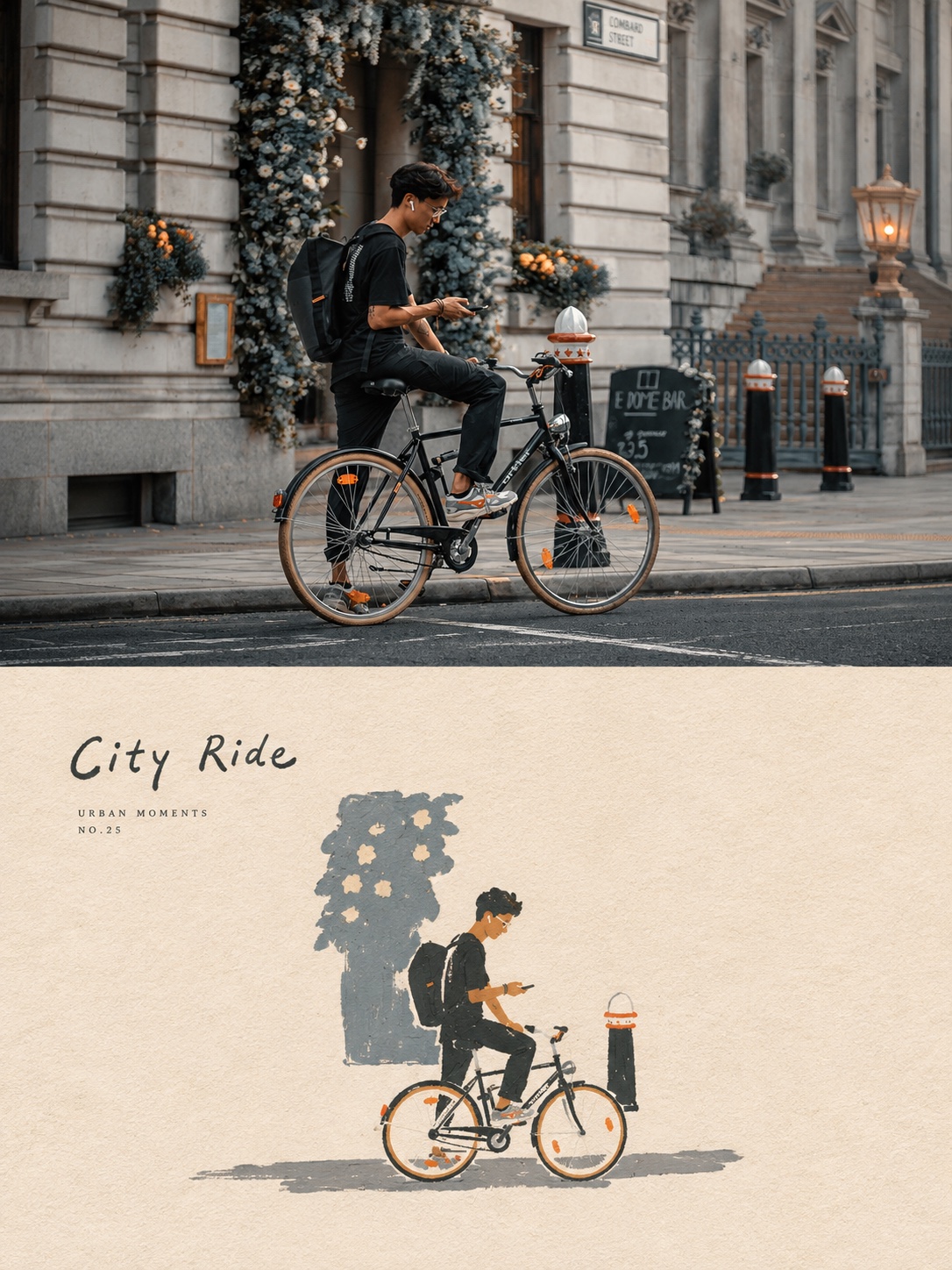
竖版海报上下严格 1:1:上半保留原照片只做杂志级调色,下半把主体提炼成手绘线 + 不超过四种丙烯平涂色块的纸感封面插画,主体只占下半 10–20%、大量留白,配几行克制的小字
Prompt English
Transform the uploaded photos into an individual, high-end design poster. Do not combine multiple images; output each photo as a separate, standalone piece. Use a vertical 3:4 format, with the upper and lower sections divided strictly 1:1, each occupying 50% of the total composition.

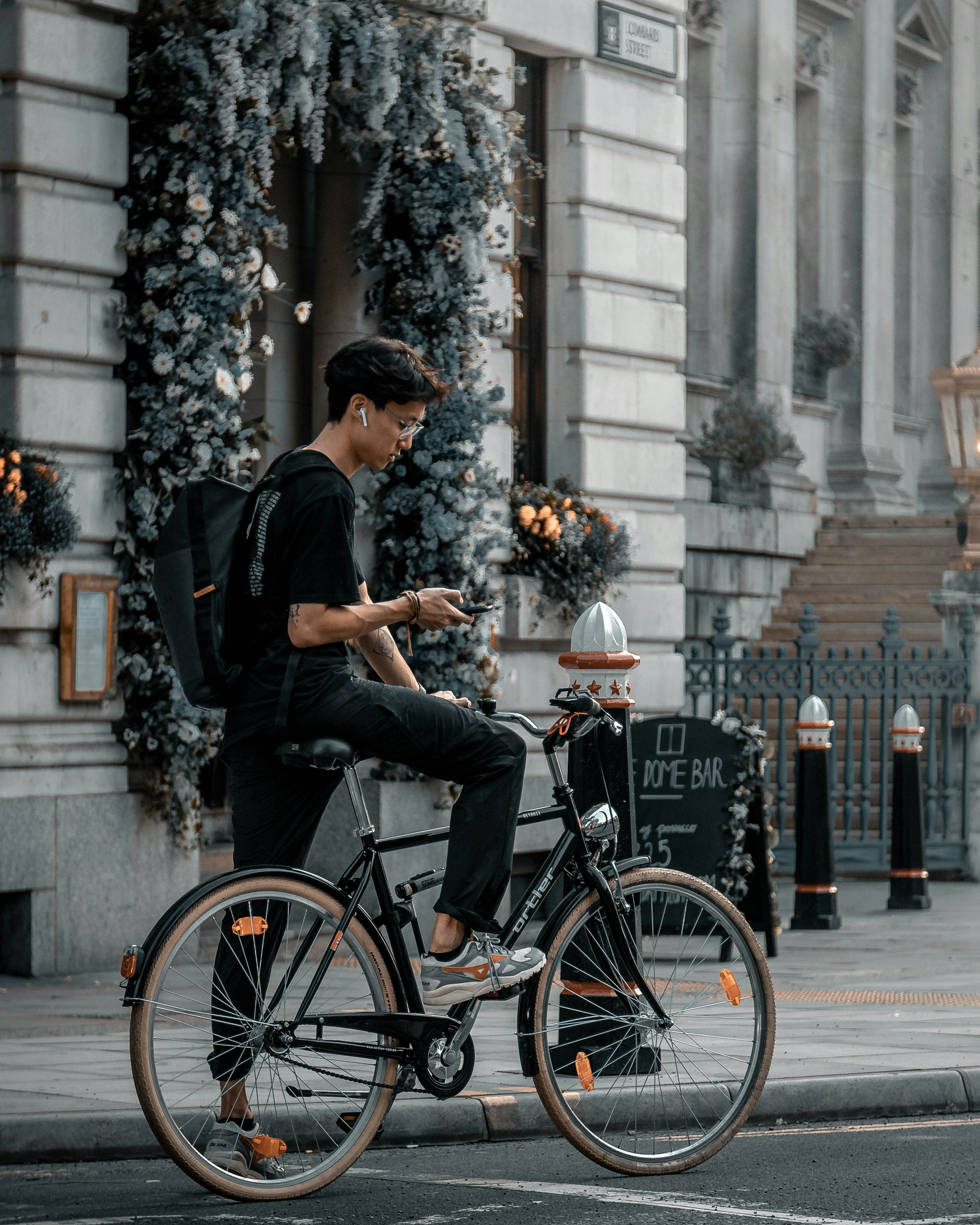
The upper section should retain the original photograph—preserving its core structure, authentic texture, natural lighting, and original color atmosphere—while applying subtle, high-end photographic color grading to evoke the aesthetic of magazine photography or art publications. To fit the frame, you may naturally extend the sky, ground, or environmental background, provided that the main subject remains undistorted and unaltered.

The lower section should distill the most recognizable elements of the subject—its silhouette, posture, and narrative context—into a minimalist, hand-drawn, paper-textured cover illustration. Strip away complex details, retaining only the most essential visual features. Use delicate, slightly unsteady hand-drawn lines combined with a few distinct, flat-applied acrylic color blocks to represent the subject, ensuring it remains instantly identifiable. The subject should be small and concentrated—occupying approximately 10%–20% of the lower section—surrounded by ample negative space. The background should resemble rough or light-colored paper, with only minimal lines or color planes to suggest the environment.

The color palette should be derived from the original photo and condensed into no more than four primary colors. These color blocks should be bold, solid, and restrained, incorporating textures like paper grain, visible brushstrokes, and slightly irregular edges. Lines should define the structure, while color blocks should establish the subject. Avoid styles such as colored pencil, crayon, watercolor washes, pure line art, complex realism, heavy oil-painting textures, slick digital illustrations, or 3D-rendered effects.

You may incorporate a small amount of concise text—such as titles, keywords, subject names, locations, years, serial numbers, or short phrases—tailored to the content of each photo (not limited to urban themes). The typography should be sparse and restrained, blending naturally with the negative space and illustration to evoke the aesthetic of an art book cover, an independent publication, or a children’s picture book.  The overall visual aesthetic features small subjects, ample negative space, a high degree of distillation, and strong recognizability. It conveys a sense of tranquility, childlike charm, and ease—evoking a poetic, sophisticated quality while steering clear of the look typical of commercial cartoons, e-commerce imagery, or generic templates.
占位符
- [aspect ratio]
- 3:4
- [subject proportion]
- 10%–20%
来源说明
完整写在正文里,已去掉开头作者的感想句、模型名行「Made with GPT Image 2.5」和「Prompt:」引导语,其余逐字未改。原文用 {argument name=… default=…} 语法写了两个可调参数,这里都按默认值代入:画幅 3:4、主体占比 10%–20%;带参数语法的原文保存在 prompt.templateText。卡片上只显示下半部分的插画。下半插画上的文字「City Ride / URBAN MOMENTS / NO.25」是模型按 prompt 允许的「少量简洁文字」自拟的。