Prompt · 帖子正文
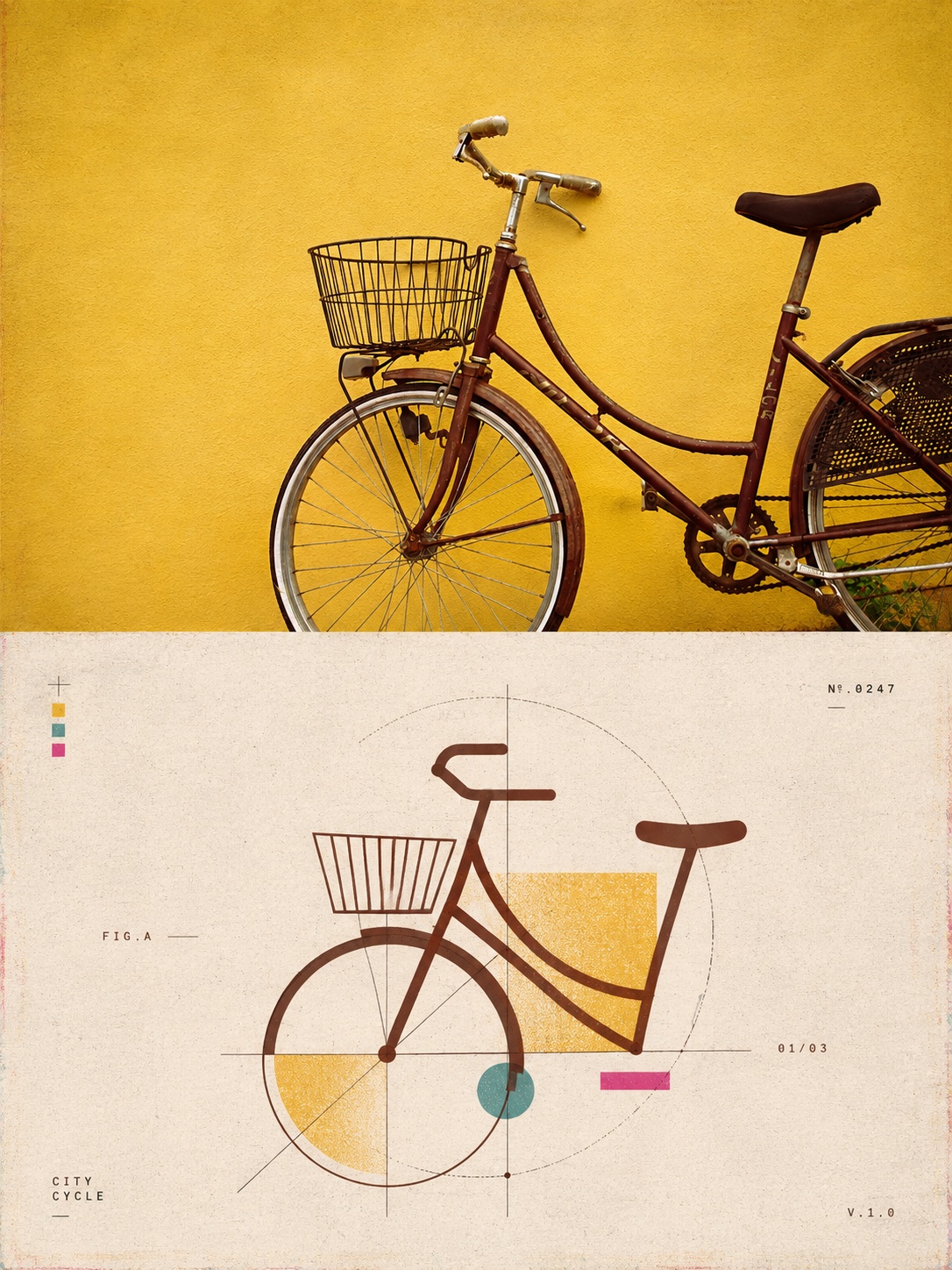
实拍 × 抽象视觉符号 · 去构建瑞士风双联海报
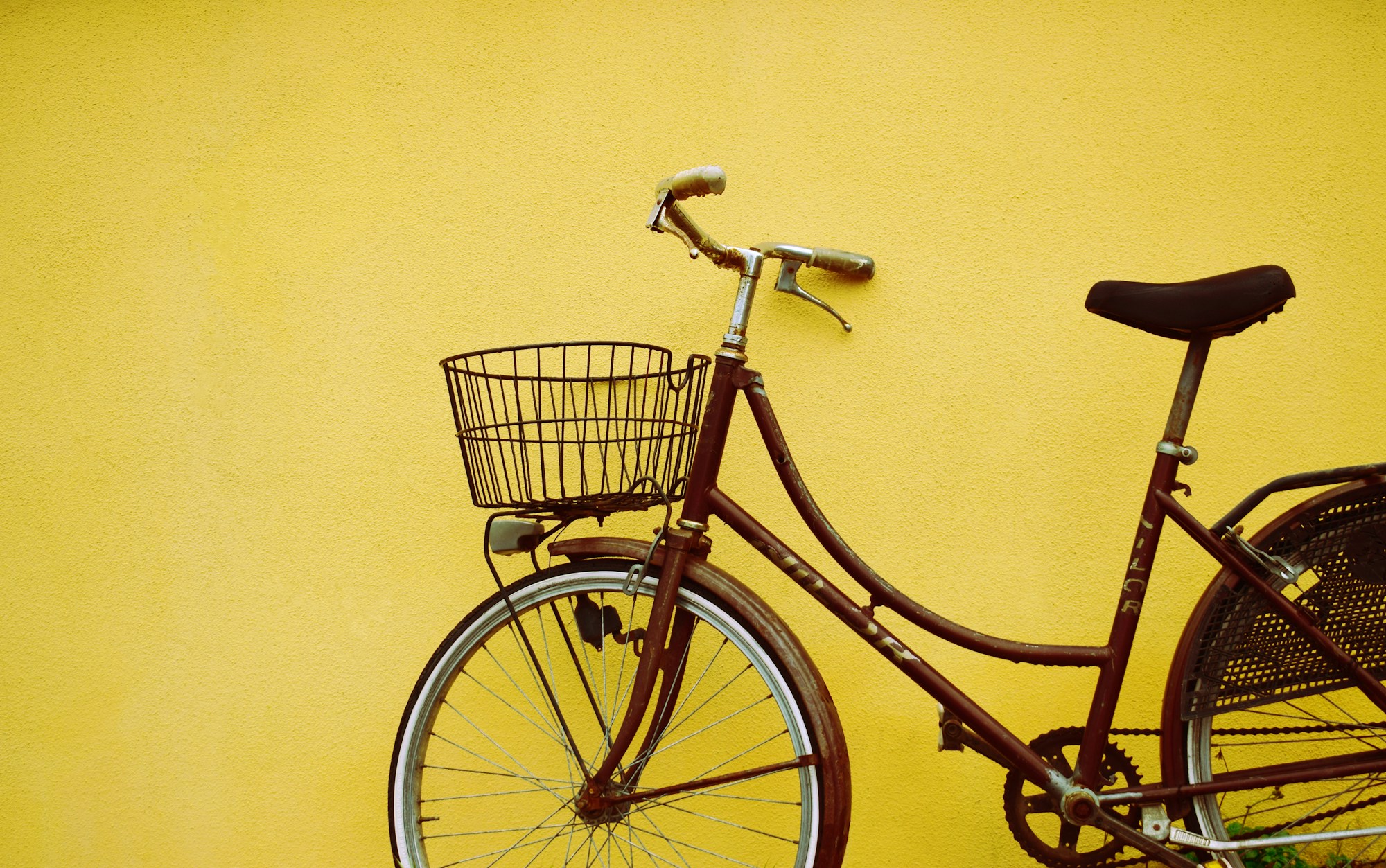
上半是微调调色的写实摄影,下半把主体的轮廓与结构抽成几何模块化的品牌符号:解构瑞士风、Risograph 颗粒、套印错位、微型编号标注与克制的强调色
Prompt English
Transform my uploaded photo into a standalone, premium-quality 3:4 vertical design poster. Divide the entire canvas into two perfectly equal horizontal sections: the top half (50%) and the bottom half (50%). The upper section should feature realistic photography, while the lower section should present an abstract visual symbol derived from the core identity of the subject.

TOP HALF – REALISTIC PHOTOGRAPHY

Preserve the original subject's structure, realistic textures, natural lighting, shadows, and original color atmosphere. Apply only subtle, sophisticated color grading to achieve the aesthetic of fine-art photography and independent editorial publications.

The background may be naturally extended to fit the canvas, but never stretch, distort, or alter the original subject.

BOTTOM HALF – ABSTRACT VISUAL IDENTITY

Extract the photograph's essential visual characteristics: the subject's silhouette, structure, posture, and narrative relationships. Do not recreate the entire object. Instead, reduce it into a recognizable abstract visual symbol.

Use geometric deconstruction, modular shapes, structured lines, negative space, and symbolic elements to create a central visual identity inspired by premium branding and experimental design systems.

Focus on the subject's core character rather than minor details. Even with minimal geometric elements, the abstract symbol must remain visually connected to the original photograph.

VISUAL STYLE & DESIGN LANGUAGE

Post-digital graphic design, deconstructed Swiss design, generative symbol systems, and diagrammatic abstraction.

Build a systematic visual language using geometric modules, fine lines, circular trajectories, grids, micro-symbols, numerical indexing, and abstract nodes.

Create visual tension between:
- Order × Imperfection
- Precision × Handmade Traces
- Digital × Analog
- Rationality × Emotion

Achieve strong visual recognition using the fewest possible elements. Keep everything minimal and avoid unnecessary complexity.

COMPOSITION & LAYOUT

Maintain a highly restrained composition. The abstract symbol must be the sole visual focal point, positioned centrally or slightly off-center, surrounded by generous negative space.

Avoid excessive icons, decorative elements, or infographic-style layouts.

The overall aesthetic should resemble the core visual identity of contemporary art institutions, architectural studios, experimental creative labels, and premium design brands.

TYPOGRAPHY & DETAILS

Typography should function only as a supporting system component, never as a dominant headline.

You may incorporate extremely small numbers, letters, or short phrases that interact with the abstract symbol through indexing and reference relationships.

Use refined, restrained typography with the subtle annotation aesthetic of archival documents and experimental art publications.

COLOR SYSTEM

Extract the signature colors from the original photograph and reinterpret them as a cohesive brand color system.

Introduce a small number of distinctive accent colors as functional visual codes, such as teal, blue, magenta, or orange, combined with gray-white or warm-white backgrounds for contrast.

Colors should function as systematic identifiers rather than decoration.

Avoid chaotic color combinations, cheap neon effects, and generic commercial gradients.

PRINT TEXTURE & MATERIALITY

Incorporate subtle material effects inspired by:
- Xerox texture
- Risograph grain
- Print registration errors
- Scanner noise
- Subtle paper texture

Add delicate printing misalignment, fine grain, scanning noise, and slightly imperfect edges to give the digital symbols the tactile quality of physical print.

FINAL OBJECTIVE

Extract an independent and self-contained visual DNA from the original photograph.

The final result should feel like a sophisticated, minimal, culturally meaningful abstract logo with a strong visual identity and systematic design language.
来源说明
完整写在正文里,已去掉「GPT Image 2.0 On ChatGPT / Prompt:」引导语,prompt 英文原文逐字未改。